

 ENG
ENG русский
 Español
Are you ready to cooperate with HEWLEE
Contact us to find out how our products can transform your business and take it to the next level.
Industry News
 2026.01.16
 Industry News
Whether you are undertaking a home renovation or serving clients on commercial plumbing jobs, choosing between a manual plumbing copper press tool and a powered press option can influence your workflow and results. Both types of tools are designed to join press copper fittings tool connections without soldering, but they differ in effort required, speed, and application scope. Understanding these differences will help you decide which approach suits your needs.
Manual press tools are appealing for many DIYers and small‑scale plumbers because they are typically simpler and less expensive than powered alternatives. A basic manual press tool operates through leverage, squeezing the fitting and pipe together to create a press connection. Some models feature 360‑degree rotating heads for better flexibility in awkward locations.
Despite their simplicity, manual tools do have drawbacks related to physical effort. Users often report that the hand force required can be significant, especially if you are completing many connections in a row. This can cause fatigue, and potentially inconsistent crimps if the correct force isn’t applied.
Another consideration is the size and capacity of manual press tools. Many of these are designed to handle smaller diameter connections and may struggle with larger copper pipe sizes or more demanding jobs. Forums indicate that while manual tools can work for occasional fittings, they may not fit easily into tight or confined spaces — though this varies depending on the specific tool’s design.
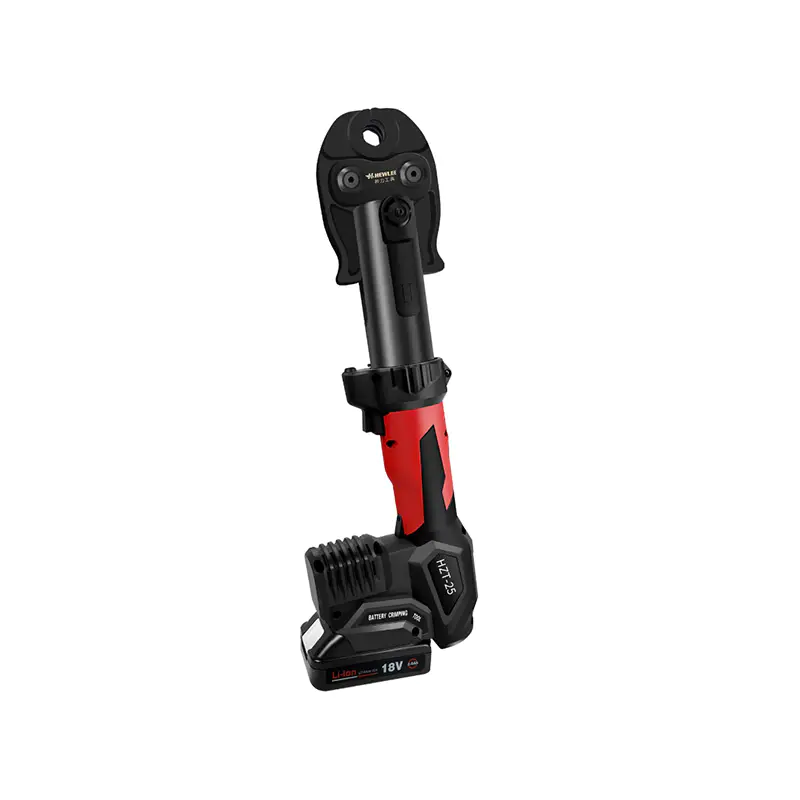
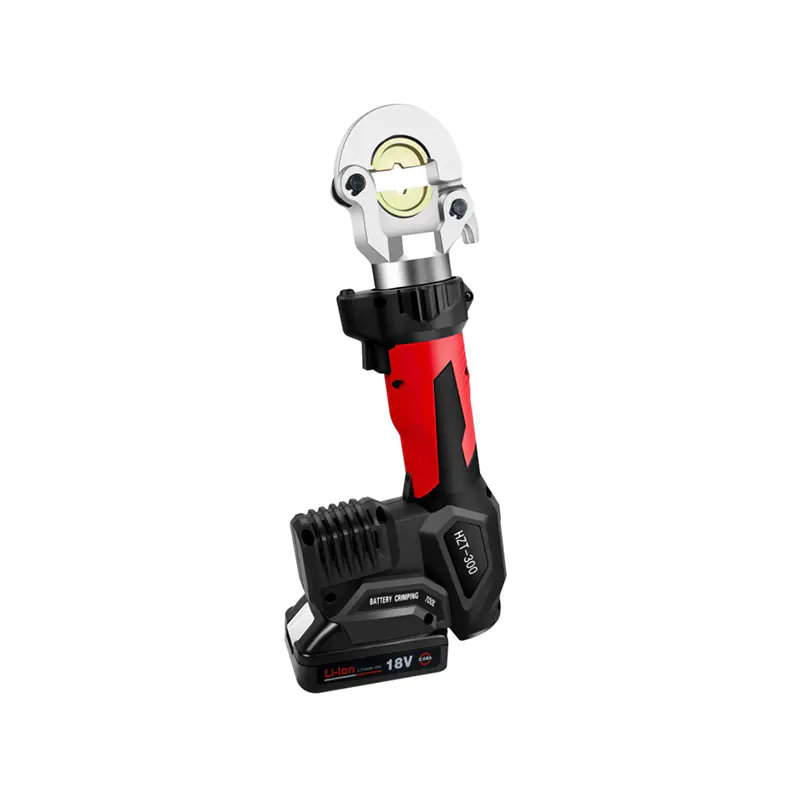
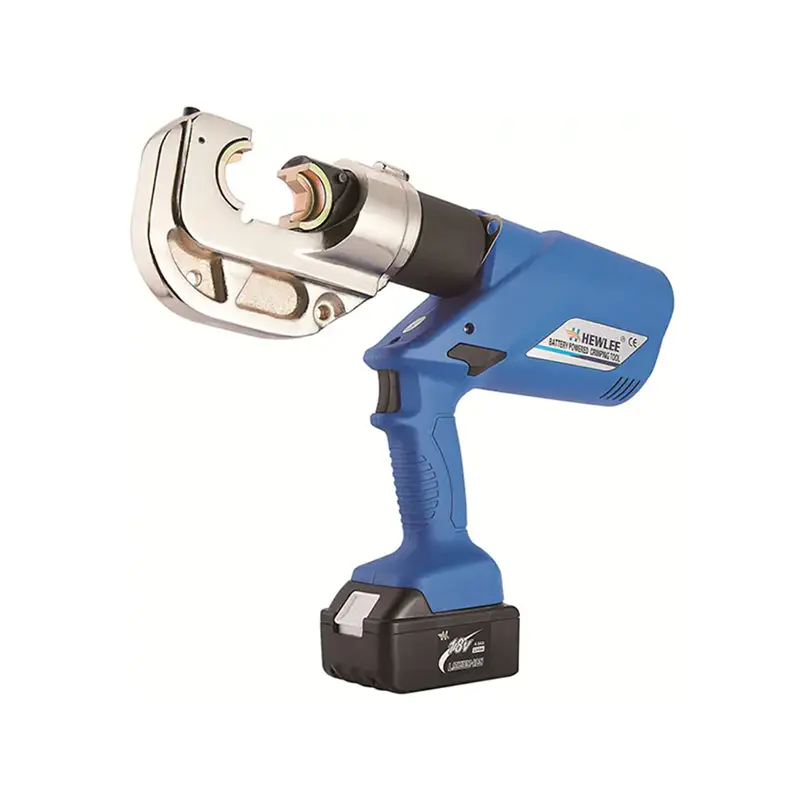
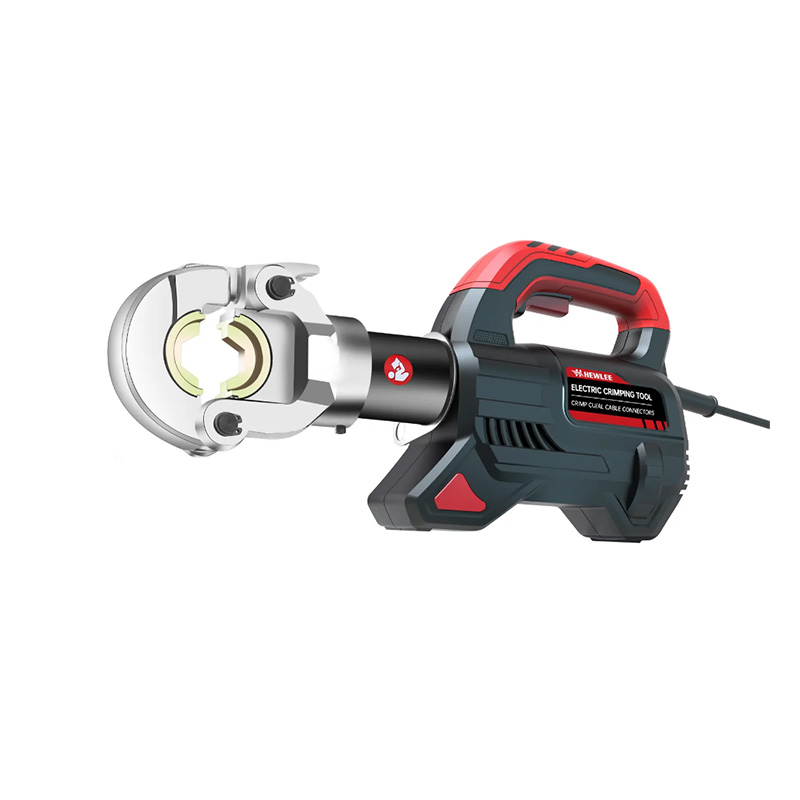
In contrast, powered press copper fittings tool options — whether battery‑powered or hydraulic — deliver consistent force with minimal physical strain. This makes them better suited for larger projects where multiple connections are required. Battery or hydraulic mechanisms help achieve even pressure around the entire fitting, reducing the margin for human error and increasing productivity.
Powered tools are especially useful when working in situations where you must create many joints quickly, or where project timelines are tight. Their faster closing speed and more uniform force application often cause higher confidence that each press connection meets performance expectations.
However, these advantages come with trade‑offs. The upfront cost for a powered press tool with compatible jaws is generally higher than manual models. For homeowners or occasional users, this investment may not seem justified compared to more economical manual tools or traditional soldering techniques.
For small jobs or repairs, manual press tools remain a viable choice — especially when tool portability and affordability matter more. Many homeowners find that a compact manual tool fits easily in tight spaces beneath sinks or inside cabinets where larger powered tools might not reach. Additionally, manual tools require virtually no maintenance and no battery charging, which can be an advantage for occasional use.
It’s worth noting that some plumbing professionals keep manual press tools as a backup or supplementary option for situations where powered units are unavailable or impractical. For instance, when only one or two fittings are needed, a manual tool allows quick joint creation without assembling or charging a battery unit.
Plumbing communities often debate manual versus powered press tools. Some users find that manual units are adequate for small tasks but concede they aren’t comfortable tooling for larger copper runs or repeated use. Reports of fatigue and difficulty fitting into stud cavities suggest manual press tools are best reserved for smaller segments or occasional use.
Other users emphasize that planning ahead is essential regardless of tool type. For example, preparing accessible work areas and marking pipe insertion depth improves press outcomes — a strategy that benefits both manual and powered pressing.
Here are some general points to help guide your decision:
Budget vs Frequency: If you only need to use a press tool occasionally, a manual unit may save cost and complexity. Frequent users or professionals may find the efficiency of powered tools outweighs the initial cost.
Project Scale: Larger remodels with many connections benefit from powered tools that reduce overall labour.
Space Constraints: Evaluate the tool’s head size and rotation range for tight spaces — a manual press tool might be smaller or easier to maneuver in certain configurations.
Physical Effort: Manual pressing requires more strength and can cause fatigue over long runs, while powered options minimise physical exertion.
Deciding between manual and powered press tools depends on your specific needs, project scale, and comfort with using press copper fittings tool systems. There’s no one‑size‑fits‑all solution — each has its place in a plumber’s toolbox. At Wenzhou Hewlee Tools Co., Ltd., we provide a range of dependable tools and support to help you complete your plumbing tasks with confidence. Consider your priorities carefully, and choose a tool that aligns with your workflow and performance expectations.
Recommended Products
Contact us to find out how our products can transform your business and take it to the next level.

The high-quality voltage connection tools produced by our company are widely exported to Europe, America, Oceania, and the Middle East for their stable performance and reliability.


No.33 Bada Road, Linyang District, Nanbin Street, Ruian City, Zhejiang Province, 325200, China

+86-13588995777 (WhatsApp)
Copyright © WENZHOU HEWLEE TOOLS CO., LTD.

Custom Hydraulic Tools Company
