

 ENG
ENG русский
 Español
Are you ready to cooperate with HEWLEE
Contact us to find out how our products can transform your business and take it to the next level.
Industry News
 2026.01.09
 Industry News
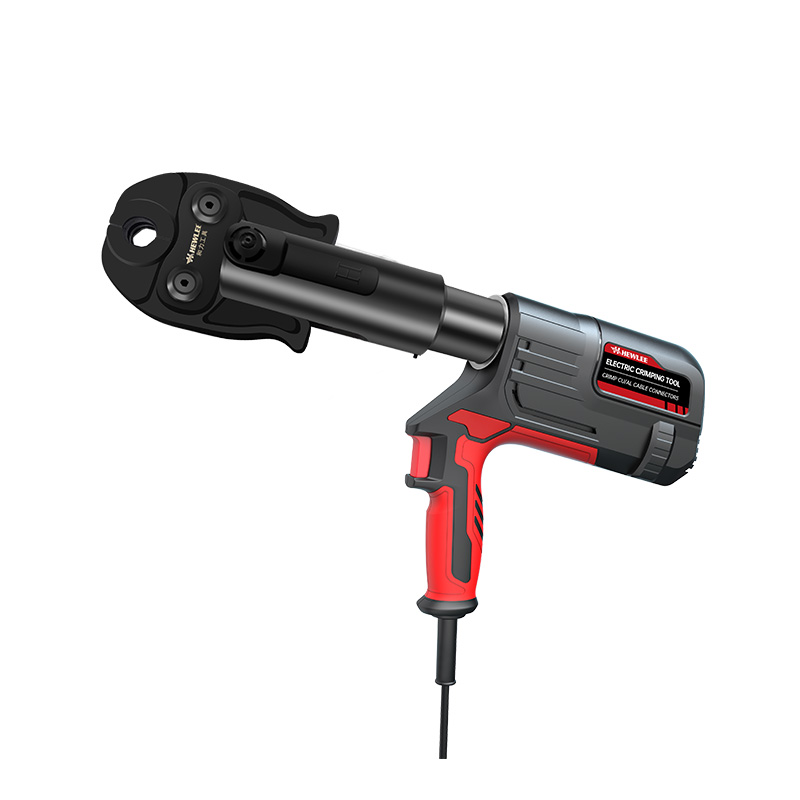
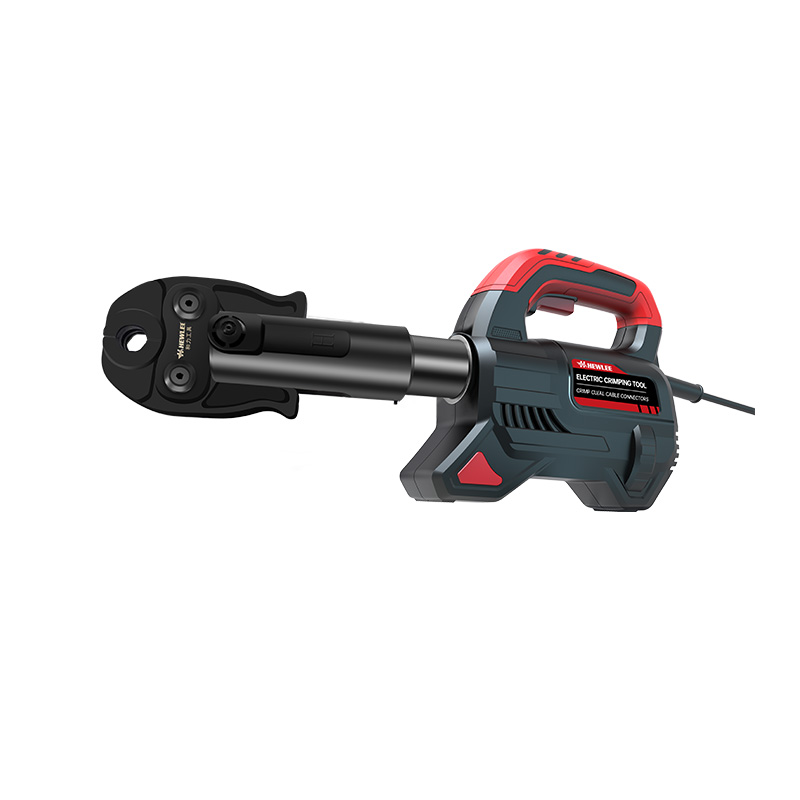
Installing a plumbing copper press tool system can save time and reduce the need for soldering. Still, many beginners and even experienced DIYers sometimes find that their press copper fittings tool connections fail or leak. Understanding what causes these failures and how to prevent them can help ensure secure plumbing joints that don’t cause costly water damage later. Issues with leaks or incomplete presses often stem from inadequate preparation, improper technique, or improper tool setup.
One of the more frequent reasons press copper fittings tool connections fail is improper pipe preparation before pressing. If the copper pipe isn’t cut cleanly and squarely, or if burrs and debris are left on the pipe edge, the fitting’s O‑ring may not seal properly, causing leaks. Deburring and cleaning both the inside and outside surfaces of the pipe is critical to avoid sealing problems and ensure the fitting seats correctly.
Another common issue is incomplete or failed press cycles. An incomplete press might happen when the jaws on the tool don’t fully close due to insufficient battery power, the wrong jaw size for the fitting, or debris caught between the tool and the fitting. Incomplete presses often show no clear visual indication that the joint was made, and these joints are unreliable under pressure.
Many failed connections occur because the copper pipe is not inserted fully into the fitting before pressing. Plumbing guides recommend marking the insertion depth on the pipe before assembly to ensure it reaches the built‑in stop inside the fitting. If the pipe sits short of this stop, the mechanical seal created by the press tool may not engage fully, creating a weak point in the joint.
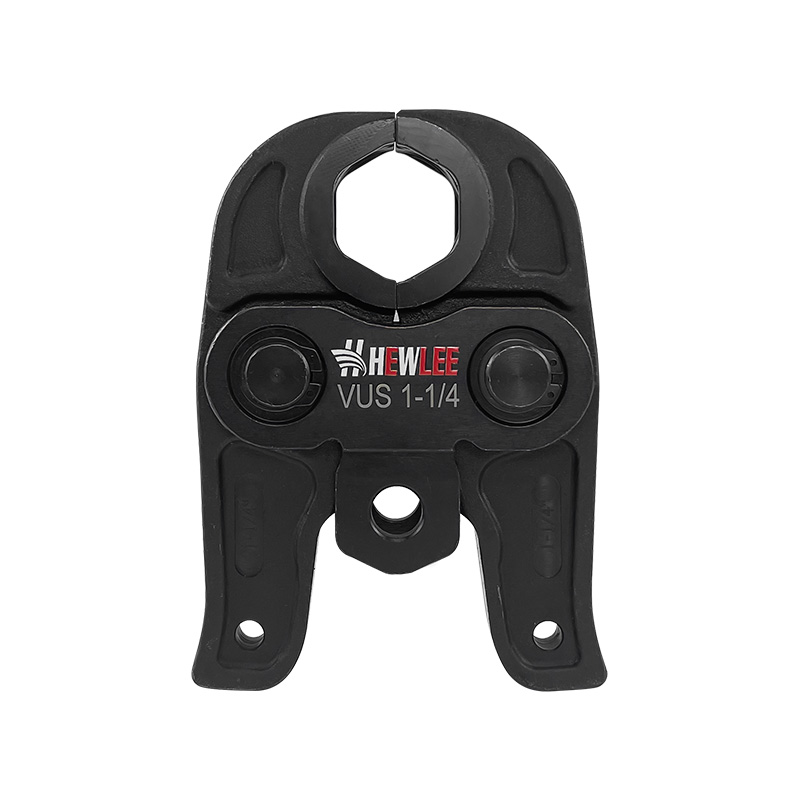
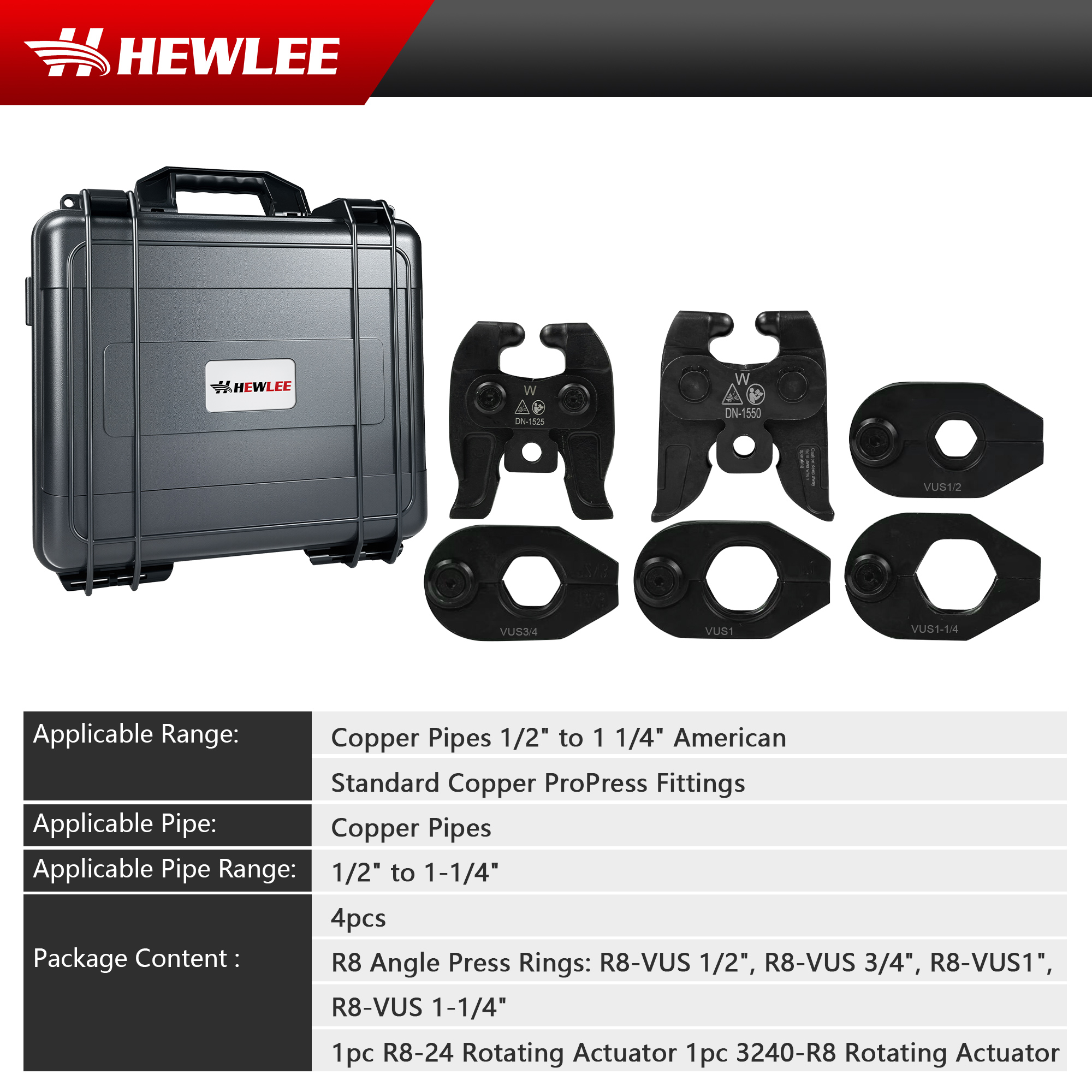
The press tool itself needs to be correctly calibrated and compatible with the fitting size and type. Tool calibration affects how much force is exerted during pressing; too little force and the seal may be incomplete, too much can damage the fitting. Regularly checking calibration and using the right jaws for the specific fitting diameter makes a significant difference in connection quality.
Some users report problems when their tool isn’t well matched to the fittings they purchased, especially with lower‑cost or generic press fittings. Always verify tool and fitting compatibility and consider testing a small sample connection on spare pipe before pressing critical joints.
Even after a press is completed, leaks can appear later if pipe alignment or surface condition issues were present at installation time. Inspect the pressed fitting’s circumference for uniform compression marks; irregular indentations suggest the tool may have shifted during pressing, or the pipe wasn’t aligned at a true 90 degrees.
If your system starts leaking after pressure testing, cut out the faulty fitting and inspect the pipe ends. A damaged or misaligned O‑ring is often the culprit, and once a press fitting has been compressed, it should not be reused — replacing it with a new fitting ensures the integrity of the joint.
Here are some practical steps to reduce the likelihood of failed joints:
Take time to prepare pipes carefully — a clean, deburred surface helps prevent seal issues.
Use a depth gauge or marking tool to ensure proper pipe insertion before pressing.
Keep press tool batteries fully charged and regularly check that jaws are properly seated and compatible with fittings.
Inspect each press visually for even, complete compression before pressure testing the system.
These steps, when combined with a quality tool and fittings, greatly improve the reliability of a plumbing copper press installation.
Whether you’re a homeowner tackling a renovation project or a professional installer, understanding why connections using a press copper fittings tool can fail helps you reduce callbacks and expensive repairs. At Wenzhou Hewlee Tools Co., Ltd., we focus on providing tools designed for reliability and ease of use, helping users achieve secure plumbing connections with confidence. Investing time in learning best practices and following installation guidelines helps ensure successful outcomes on every job.
If you consistently experience issues, consider reviewing your process and materials — often small improvements in preparation and tool handling can eliminate more common failure points.
Recommended Products
Contact us to find out how our products can transform your business and take it to the next level.

The high-quality voltage connection tools produced by our company are widely exported to Europe, America, Oceania, and the Middle East for their stable performance and reliability.


No.33 Bada Road, Linyang District, Nanbin Street, Ruian City, Zhejiang Province, 325200, China

+86-13588995777 (WhatsApp)
Copyright © WENZHOU HEWLEE TOOLS CO., LTD.

Custom Hydraulic Tools Company
